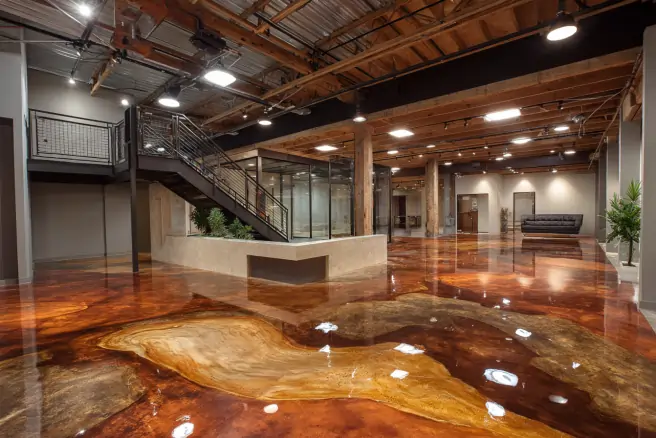
Advantages of Clearwater Epoxy Garage Flooring for Your Space

Construction worker apply grey epoxy resin in an industrial hall A construction worker apply grey epoxy resin in an industrial hall epoxy flooring installers stock pictures, royalty-free photos & images

High-quality garage floor coatings offer numerous advantages that enhance both the aesthetics and functionality of your space. These coatings are known for their durability, versatility, and ability to protect the underlying concrete from wear and tear. Below, we explore the key benefits that make investing in garage floor coatings a wise decision.

Expert Epoxy Flooring Company in Clearwater FL for Enhanced Durability

Garage floor coatings, such as epoxy, create a strong protective layer over the concrete surface. This layer helps your floors withstand heavy loads, abrasions, and chemical spills.

  • Impact resistance: The coating prevents cracking or chipping even under frequent use.
  • Chemical resistance: It protects against common automotive substances like oil, gas, and antifreeze.
  • Moisture protection: It reduces water penetration that can lead to cracks over time.

A high-quality coating significantly extends the life of your garage floors while reducing maintenance requirements.

Enhance Your Space with an Epoxy Garage Flooring Contractor in Clearwater FL

One of the most noticeable benefits is the visual improvement high-quality coatings provide. Transform an ordinary concrete slab into a polished surface that elevates the overall look of your space.

  • Color options: Choose from a wide range of colors to match personal preferences or design themes.
  • Custom finishes: Opt for glossy finishes or decorative flakes for added texture.
  • Seamless appearance: Coatings hide imperfections like cracks or stains, creating a smooth finish that looks professional.

Enhanced Safety with Expert Epoxy Flooring Installers Clearwater FL

Safety is an important consideration in any garage environment. Properly installed coatings can help reduce risks associated with slippery surfaces or poor visibility.

  • Anti-slip properties: Many coatings include additives to enhance traction and reduce slips.
  • Light reflection: Glossy finishes improve lighting by reflecting natural and artificial light throughout the space.

These features make navigating your garage safer for homeowners and visitors alike.

Easy Maintenance

  1. Dust can be swept away with minimal effort.
  2. Spills can be wiped up without leaving behind stains.
  3. Periodic mopping keeps surfaces looking like new.

The durable coating resists dirt accumulation, meaning less time spent on upkeep.

Return on Investment (ROI)

Factor Bare Concrete High-Quality Coatings
Maintenance Costs High Low
Lifespan 10–15 years 20+ years
Visual Appeal Minimal High
Resale Value Improvement Negligible Significant

Homeowners will benefit from lower maintenance expenses while also increasing their property’s marketability should they decide to sell in the future.

High-quality garage floor coatings deliver undeniable value through improved durability, aesthetics, safety features, ease of cleaning, and long-term return on investment. These characteristics make them an essential upgrade for anyone looking to enhance their space effectively.

Top Benefits of Durable Parking Garage Floor Coatings

Parking garages face constant wear and tear due to heavy vehicle traffic, exposure to various elements, and chemical spills. Investing in durable parking garage floor coatings provides exceptional benefits for both functionality and aesthetic appeal. Below, we explore the top advantages that make these coatings a practical and cost-effective choice for property owners.

1. Enhanced Durability

One of the key benefits of high-quality parking garage floor coatings is their ability to withstand heavy loads and frequent use. These coatings are specifically designed to handle:
High vehicle traffic: Supports the weight of cars, SUVs, and even heavier commercial vehicles without cracking or wearing down.
Resistance to abrasions: Protects against tire marks, scratches, and other surface damage caused by constant movement.
Protection from chemicals: Withstands exposure to oil spills, gasoline, de-icing salts, and other harsh substances without corroding or staining.

The robust nature of these coatings makes them ideal for extending the lifespan of your concrete floors.

2. Improved Safety Features

Safety is critical in parking garages, especially in environments with high pedestrian activity or low visibility. Durable floor coatings can enhance safety through features such as:
Slip resistance: Many coatings are available with anti-slip additives that reduce the risk of slips and falls caused by wet or oily surfaces.
Better visibility: High-gloss finishes improve light reflection within enclosed spaces, making navigation safer for drivers and pedestrians alike.

3. Cost-Efficiency Over Time

While the initial investment in durable floor coatings may seem high, their long-term benefits outweigh the costs:
| Initial Investment | Long-Term Savings |
|——————-|——————|
| Installation costs | Reduced maintenance expenses |
| Material expenses | Avoided repair/replacement fees |

By protecting your concrete substrate from cracks and deterioration, these coatings eliminate costly repairs down the line.

4. Quick Installation Process

Many modern floor coating systems are designed for efficient installation with minimal downtime:
Fast-curing options allow you to reopen your space to traffic shortly after application. – Professional installers often complete large projects within a few days. This ensures that business operations or tenant access is not significantly disrupted during upgrades.

5. Aesthetic Appeal

Durable parking garage floor coatings offer customizable options that enhance visual appeal while maintaining functionality: – Choose from a variety of colors, textures, and patterns. – Add decorative flakes or metallic finishes for a polished look. This gives property owners the opportunity to align their flooring design with branding or architectural styles.

Durable parking garage floor coatings are an excellent solution for improving performance while maintaining aesthetics over time. Their resilience against heavy usage combined with added safety features delivers unmatched value for both residential and commercial properties alike.

Floor preparation with resin support layer for anti-slip system Floor preparation with resin support layer for anti-slip system epoxy flooring installers stock pictures, royalty-free photos & images

How Parking Garage Floor Coatings Are Easy to Install and Transform Spaces

Parking garage floor coatings, particularly epoxy, are renowned for their ability to not only transform a space visually but also enhance functionality. One of their most attractive qualities is the ease of installation, which makes them a practical solution for both commercial and residential properties. Below is an analysis of why these coatings are easy to install and how they can revamp your space effectively.

Why Epoxy Coatings Are Easy to Install

  • Surface Preparation:
    Proper preparation is essential but straightforward with professional equipment. The process involves cleaning the surface, removing grease or oil stains, and repairing minor imperfections in concrete.
  • Quick Application Process:
    Once the surface is prepared, epoxy coatings can be applied efficiently using rollers or brushes. Most systems feature two components—resin and hardener—that are mixed on-site and applied in layers.
  • Fast Curing Times:
    Modern epoxy formulations often have shorter curing times compared to older systems. Depending on environmental conditions, some coatings cure within 24–72 hours, minimizing downtime.
  • Customizable Systems:
    With various options available (e.g., self-leveling epoxy or textured finishes), installers can easily adapt the method based on client needs without complicating the overall process.

Transforming Spaces with Parking Garage Coatings

  1. Epoxy coatings can be customized in a variety of colors, patterns, or finishes such as metallic or terrazzo-like effects.
  2. Glossy surfaces reflect light effectively, brightening up otherwise dim parking areas.
  3. These coatings create a seamless surface resistant to heavy traffic, abrasion, and chemical spills.
  4. Textured finishes or anti-slip additives can be incorporated during installation for increased safety.
  5. Epoxy surfaces resist stains and make sweeping or mopping more efficient.
  6. Dust accumulation is reduced due to the non-porous nature of most modern systems.

Benefits Overview Table

Feature Benefit Impact on Space
Seamless Application Uniform look Professional appearance
Customizable Colors Design flexibility Personalized space
Chemical Resistance Protection from spills Long-lasting flooring
Anti-Slip Additives Enhanced traction Improved safety

Tips for a Successful Installation

  • Choose experienced professionals with expertise in epoxy flooring.
  • Ensure proper ventilation during application for faster curing.
  • Schedule installations during off-hours if working in commercial settings like parking garages to avoid disrupting users.
  • Maintain ambient temperature as per product guidelines for even drying.

By choosing epoxy-based garage floor coatings, property owners gain not only an easy-to-install solution but also an opportunity to redefine how their spaces look and function. This investment balances practicality with aesthetic appeal while ensuring long-term durability tailored to unique needs.

Enhanced Aesthetics

One of the main reasons property owners opt for parking garage floor coatings is their ability to transform spaces into visually appealing areas. With various finishes, colors, and textures available, you can customize the look of your flooring to complement the surrounding architecture or design theme.

  • Glossy finishes create a reflective surface that brightens up dimly lit spaces.
  • Matte finishes are ideal for modern settings with a sleek and understated appearance.
  • Color choices range from neutral tones like gray or beige to vibrant hues for a bold statement.

Improved Functionality

  • Slip resistance: Many coatings include anti-slip additives that improve safety, especially in wet conditions.
  • Chemical resistance: Protects floors from oil spills, grease stains, and harsh cleaning agents commonly found in garages.
  • Abrasion resistance: Prevents wear and tear caused by constant vehicle traffic or heavy equipment usage.

Faster Installation Process

Type of Coating Estimated Curing Time Advantages
Epoxy Coatings 24–72 hours Durable finish with high gloss
Polyurethane Coatings 12–48 hours High flexibility and UV resistance
Polyaspartic Coatings 6–24 hours Ultra-fast curing for minimal downtime

This makes it easier for property owners to schedule renovations without significant disruptions.

Cost Efficiency Over Time

  • Minimized need for repairs due to increased durability.
  • Reduced cleaning time thanks to smooth surfaces that repel dirt and grime.
  • Fewer long-term replacements as high-quality coatings extend concrete lifespan.

Environmentally Friendly Options

  • Low-VOC (volatile organic compound) formulations reduce harmful emissions during application.
  • Reflective finishes improve light distribution, potentially lowering energy costs by reducing reliance on artificial lighting.

By choosing environmentally friendly options, you not only improve your space but also contribute positively toward eco-conscious initiatives.

Parking garage floor coatings deliver more than just visual appeal—they combine style with practicality through durability, safety improvements, eco-friendliness, and cost savings over time. These features make them an excellent choice for transforming any commercial or residential space into something truly remarkable while maintaining utility-focused functionality.

The Durability and Reliability Offered by Parking Garage Floor Coatings

Parking garage floor coatings, such as epoxy flooring, have emerged as a reliable solution for spaces that demand durability and long-term performance. These coatings are engineered to withstand heavy traffic, resist environmental stressors, and maintain their quality over time. Below is an overview of why this type of flooring stands out in terms of durability and reliability.

Key Features of Durable Parking Garage Floor Coatings

  1. Epoxy floor coatings are designed to resist wear and tear caused by constant foot traffic or vehicle movement.
  2. They are less likely to chip or crack compared to traditional flooring materials such as concrete or tile.
  3. Parking garages frequently come into contact with vehicle fluids including oil, brake fluid, and gasoline.
  4. High-quality parking garage coatings provide a protective layer that resists chemical spills without degrading the surface.
  5. These coatings create a seamless finish that prevents water seepage into the substrate.
  6. By reducing moisture penetration, epoxy floors help avoid issues such as cracking due to freeze-thaw cycles or mold growth in damp environments.
  7. For outdoor parking garages or areas exposed to sunlight, UV-resistant finishes can be added.
  8. This ensures the coating retains its aesthetic appeal without discoloration over time.

Performance Under Heavy Load

Feature Performance Benefit
Load-Bearing Capacity Can support multi-ton vehicles without deformation or cracking
Impact Resistance Absorbs impact from dropped tools and accidental collisions
Longevity Under Stress Maintains structural integrity even under sustained pressure from high volumes

Benefits Beyond Strength

  • Ease of Maintenance: Thanks to their smooth surface, these floorings require minimal effort for cleaning and upkeep.
  • Slip Resistance: Anti-slip additives can enhance safety by providing traction in wet or oily conditions.
  • Aesthetic Appeal: Available in various colors and finishes, they can enhance the visual appeal of otherwise utilitarian spaces.

Why Durability Matters for Parking Garages

  • Constant tire friction causes erosion over time without protective layers.
  • Seasonal changes may lead to expansion and contraction in untreated surfaces.
  • Exposure to salt from deicing agents during winter months accelerates corrosion on unsealed concrete floors.

Investing in durable epoxy coatings helps mitigate these challenges while extending the lifespan of the flooring system.

By incorporating advanced materials and technology into their design process, modern parking garage floor coatings provide a dependable solution tailored for both residential garages and large-scale commercial facilities. This combination of resilience and low maintenance makes them an invaluable addition to any space requiring long-term performance under demanding conditions.

How Epoxy Flooring Can Enhance Overall Property Value

Epoxy flooring has become a popular choice for property owners due to its durability, aesthetics, and functionality. Beyond these benefits, installing epoxy flooring can directly impact the overall value of your property. Whether you’re looking to improve the space for personal use or maximize resale potential, epoxy flooring offers an array of advantages that make it a smart investment.

Modern and Polished Aesthetic Appeal

  • Customizable designs: Choose from a variety of colors, patterns, and finishes that can complement the property’s overall design theme.
  • Professional look: Epoxy floors create an impression of cleanliness and sophistication, which appeals to potential buyers or tenants.

This enhanced visual appeal is particularly important in commercial spaces, showrooms, and residential garages where first impressions matter.

Long-Term Durability Reduces Maintenance Costs

  • Resistant to cracks, stains, and wear over time.
  • Withstands heavy foot traffic and equipment without damage.
  • Acts as a protective layer over concrete, preventing costly repairs in the future.

By reducing long-term maintenance requirements, epoxy flooring becomes highly desirable to prospective buyers.

Improved Functionality Adds Value

  • Slip-resistance: Non-slip additives can be included in the coating for safer surfaces in wet or high-traffic areas.
  • Chemical resistance: Ideal for areas exposed to oils, solvents, or chemicals—making it suitable for workshops or industrial settings.
  • Moisture protection: The seamless design prevents water from seeping through cracks into underlying materials.

These practical features cater to diverse needs across residential and commercial spaces.

A worker applies the primer to the concrete floor.Epoxy resin project A worker applies the primer to the concrete floor.Epoxy resin project epoxy flooring installers stock pictures, royalty-free photos & images

Boosts Energy Efficiency

Feature Benefit
High reflectivity Improves visibility
Reduced lighting Lowers energy consumption
Eco-friendly option Aligns with sustainability efforts

Energy-efficient upgrades are often viewed favorably by environmentally conscious buyers.

Enhanced Garage Space Appeal

Garages are no longer solely considered storage spaces; they’ve become extensions of living areas. Homeowners increasingly seek functional yet attractive garages. Installing epoxy flooring transforms ordinary garages into clean, organized spaces that stand out during property tours or inspections.

Potential benefits include: – Adding square footage value with an improved garage aesthetic. – Increasing usability as workshops or recreational areas with durable coatings.

Higher Resale Value Potential

Properties with well-maintained features like epoxy-finished floors often command higher asking prices compared to those requiring immediate upgrades. Buyers see value in move-in-ready properties without needing additional investments upfront.

Epoxy flooring provides not only cost savings but also long-lasting appeal across residential homes and commercial buildings alike—making it a wise decision when considering improvements that contribute to enhanced property valuation.

Why Epoxy Flooring is a Practical Choice for Easy Cleaning

Epoxy flooring has gained immense popularity in both residential and commercial spaces due to its practicality and ease of maintenance. One of the standout features of epoxy flooring is its ability to make cleaning and upkeep seamless, saving both time and effort. Below, we explore why epoxy flooring is an ideal choice for those looking to simplify their cleaning routine while maintaining a polished and professional aesthetic.

Seamless, Non-Porous Surface

One of the key reasons epoxy flooring is easy to clean lies in its seamless design. Unlike traditional flooring options like tiles or concrete with grout lines, epoxy creates a smooth, non-porous surface. This prevents dirt, dust, and liquid from seeping into cracks or crevices, making it simple to wipe away spills or debris with minimal effort.

Resistance to Stains and Spills

  • Motor oil or brake fluid in garages
  • Food spills in commercial kitchens
  • Chemical residues in laboratories
  • Paint splatters during light renovations

This resistance helps maintain the floor’s pristine appearance over time.

Low-Maintenance Cleaning Routine

  • Brooms: A soft-bristle broom can quickly sweep away dust or loose debris from the floor surface.
  • Mops: A damp microfiber mop works well for general cleaning needs.
  • Cleaning Solutions: Mild detergents mixed with warm water are sufficient for deeper cleaning without damaging the coating.

Epoxy floors allow property owners to skip expensive cleaning solutions often required for other materials like marble or wood.

Anti-Microbial Properties (Optional Add-ons)

Certain types of epoxy coatings come with anti-microbial additives that inhibit bacterial growth on the surface. This feature makes them particularly suitable for environments like healthcare facilities or food preparation areas where hygiene is paramount. Not only does this reduce cleaning frequency, but it also ensures that your space remains safe and sanitary.

Cost-Saving Benefits Over Time

While durable and visually appealing finishes like hardwood may require regular polishing or refinishing over time to maintain their look, epoxy requires far less ongoing care. Its durability ensures that even heavy foot traffic won’t wear down the finish prematurely—reducing long-term maintenance expenses.

Flooring Type Porosity Maintenance Effort Cost of Cleaning Supplies
Epoxy Flooring Non-Porous Low Low
Hardwood Flooring Porous Medium Medium
Tile with Grout Semi-Porous High Medium
Concrete (Unsealed) Highly Porous High High

Epoxy clearly stands out as a low-maintenance solution when compared with alternatives.

Aesthetics That Stay Clean Longer

  • Color options allow you to select shades that hide minor scuffs or marks.
  • Decorative flakes embedded within coatings can help camouflage imperfections caused by wear-and-tear.

By reducing visual maintenance concerns alongside physical ones, epoxy enhances both practicality and appeal simultaneously.

Epoxy’s unique combination of durability and low-maintenance features makes it an excellent investment for homeowners as well as businesses seeking a hygienic yet stylish solution that simplifies everyday cleaning efforts.


Tags:

Top 5 Benefits of Hiring an Epoxy Garage Flooring Contractor Clearwater FL

Self-leveling blue epoxy floor Self-leveling blue epoxy floor epoxy flooring installers stock pictures, royalty-free photos & images

Epoxy flooring has gained significant popularity among homeowners and businesses, particularly for garages. Its unique properties make it a standout choice over other flooring solutions. Here are the top five benefits that highlight why epoxy flooring is an excellent option for your garage.

1. Exceptional Durability and Resistance

One of the most notable advantages of epoxy flooring is its durability. Designed to withstand heavy wear and tear, epoxy floors can endure: – High foot traffic without showing signs of damage. – Heavy vehicles and machinery, making it perfect for garages. – Impact resistance, preventing cracks or chips caused by dropped tools or equipment.

Additionally, epoxy is resistant to abrasions, scratches, and general surface wear, offering homeowners a long-lasting investment.

2. Protection for Concrete Surfaces

Installing epoxy flooring adds a protective layer to your garage’s concrete surface. This coating acts as a barrier against: – Moisture penetration, reducing the risk of cracks due to freeze-thaw cycles. – Chemical spills, such as oil or gasoline leaks from vehicles. – Stains from dirt or debris, keeping your garage floor clean and low-maintenance.

This protective layer not only extends the lifespan of the concrete underneath but also reduces potential future repair costs.

3. Customization and Aesthetics

Epoxy floors offer a versatile array of design options that allow you to transform your garage into a visually appealing space. Customization features include: – A wide range of colors to match your preferences. – Decorative options like metallic finishes or flake coatings for added texture. – Glossy finishes that enhance light reflection, giving the space a polished look.

These customization capabilities add aesthetic value to your garage while maintaining functionality.

4. Enhanced Safety Features

Safety is another critical factor that makes epoxy flooring an outstanding choice for garages: – Its reflective surface improves visibility in dimly lit spaces. – Slip-resistant additives can be included in the finish to reduce accidents caused by wet floors. – Chemical resistance ensures spills do not compromise safety by eroding the floor’s surface over time.

These features make epoxy both practical and safe for everyday use in garages.

5. Cost Efficiency Over Time

While initial installation costs might seem higher compared to traditional flooring options, epoxy offers long-term cost savings due to its: 1. Minimal maintenance requirements (regular cleaning suffices). 2. Long lifespan with reduced need for repairs or replacement. 3. Savings on additional coatings or treatments thanks to its inherent durability and protective properties.

This combination of affordability with longevity makes it a wise financial decision in the long run.

Summary Table: Top Benefits of Hiring Epoxy Flooring Installers Clearwater FL

Benefit Key Features
Durability & Resistance Withstands heavy traffic, impact-resistant, scratch-proof
Surface Protection Guards against moisture damage, chemical spills, and stains
Aesthetic Customization Offers diverse colors, textures, metallic finishes
Safety Improvements Reflects light well, slip-resistant options available
Cost Efficiency Low maintenance needs; reduces repair/replacement expenses

Choosing epoxy flooring for your garage provides both practical benefits and aesthetic appeal while delivering exceptional value over time. Whether you’re looking to protect your concrete foundation or elevate the look of your space with modern designs, epoxy offers an unmatched blend of functionality and style tailored specifically for garages.

Unmatched Durability and Longevity with Clearwater Epoxy Garage Flooring

Epoxy flooring is widely recognized for its exceptional durability and lifespan, making it a preferred choice for both residential and commercial applications. When properly installed and maintained, epoxy floors can withstand the test of time, maintaining their functionality and appearance for years. Let’s explore how its durability benefits your space below.

Resistance to Wear and Tear

One of the standout features of epoxy flooring is its ability to resist wear and tear, even in high-traffic areas. Its robust surface creates a protective barrier over concrete floors, making it less susceptible to cracking or chipping. Common causes of floor damage in garages or industrial spaces—such as heavy foot traffic, machinery movement, or dropped tools—are far less likely to impact epoxy-coated surfaces.

Key features include:
Abrasion resistance: Ideal for areas where heavy equipment is used.
Impact resistance: Withstands dropped objects without denting or cracking the surface.
Scratch resistance: Maintains a smooth finish even after prolonged use.

Protection Against Environmental Factors

Epoxy flooring offers excellent protection against environmental challenges such as temperature changes, moisture intrusion, and chemical exposure. It forms an impermeable seal on concrete surfaces:
– Resists water damage in humid or wet conditions.
– Withstands extreme temperature fluctuations without warping or degrading.
– Prevents staining caused by oil spills or other chemicals commonly found in garages.

In addition to protecting against environmental elements, epoxy coatings can prevent issues like mold growth or surface degradation that often occur with untreated concrete floors.

Long Lifespan Compared to Other Flooring Options

Epoxy flooring’s longevity surpasses many traditional flooring materials like tiles or hardwood when appropriately maintained. On average:
| Flooring Type | Average Lifespan (Years) | Maintenance Requirements |
|————————|————————-|———————————-|
| Epoxy | 10–20+ | Minimal; sweeping/mopping only |
| Concrete (Uncoated) | ~5 | Requires frequent sealing |
| Tile | 10–15 | Grout cleaning/sealing required |

Once installed, the seamless nature of epoxy eliminates joints where dirt can accumulate, reducing cleaning frequency while enhancing overall durability.

Low Maintenance Needs

Epoxy’s low maintenance requirements contribute to its longevity. Regular upkeep typically involves:
1. Sweeping to remove dirt and debris that could scratch the surface over time. 2. Occasional mopping with mild soap and water for deeper cleaning. 3. Avoiding harsh chemical cleaners that might compromise the coating’s integrity.

This simplified care routine makes epoxy flooring an economical choice in terms of both time investment and cost savings over its lifespan.

Ideal for Demanding Environments

Epoxy’s durability makes it suitable not only for residential garages but also for demanding environments such as warehouses, factories, hospitals, or retail spaces requiring heavy-duty solutions.

Its ability to maintain structural integrity under pressure ensures you get the most out of your investment while keeping costs manageable over time—whether the installation is done in a commercial setting or at home.

By choosing epoxy flooring as your solution, you benefit from unparalleled strength designed to handle everyday challenges effortlessly while delivering long-lasting performance that enhances your space’s value and utility.

How Epoxy Flooring Protects and Strengthens Concrete Surfaces

Epoxy flooring offers more than just aesthetic appeal—it provides a durable, protective layer that enhances the strength and lifespan of underlying concrete surfaces. Whether in high-traffic residential areas, commercial spaces, or garages, epoxy acts as a shield against wear and tear while maintaining a clean and polished look.

Protection from Physical Damage

  • Scratch Resistance: Epoxy is highly resistant to scratches caused by heavy equipment or foot traffic.
  • Compression Strength: It can withstand substantial weight without degrading, making it perfect for spaces like garages where vehicles are stored.
  • Seamless Surface: The smooth application creates a cohesive surface that prevents debris from accumulating in cracks or joints.

Resistance to Chemical Damage

  • Spills Are Repelled: Common garage chemicals like oil, gasoline, or cleaning agents do not seep into the concrete.
  • Corrosion Prevention: The chemical-resistant barrier prevents degradation caused by acids and solvents.

The worker applies gray epoxy resin to the new floor The worker applies gray epoxy resin to the new floor epoxy flooring installers stock pictures, royalty-free photos & images

Chemical Type Epoxy Response
Oil/Gasoline Resists penetration
Cleaning Agents No surface damage
Acids Minimal degradation

Moisture Protection

  • Prevents water absorption into the substrate.
  • Inhibits mold growth by keeping moisture at bay.

Enhancing Surface Strength

  • It fills minor imperfections such as cracks and pores in existing concrete.
  • Reinforces weak points within the slab for improved longevity.

Advantages at a Glance

Feature Benefit
Scratch/Impact Resistance Minimizes physical damage
Chemical Resistance Extends lifespan by preventing corrosion
Waterproof Barrier Protects against moisture-related issues
Reinforcement Adds durability through crack filling

Epoxy flooring not only safeguards your investment but also reduces maintenance expenses over time by preventing costly repairs associated with untreated concrete damage. Its ability to protect against physical wear, chemical exposure, and moisture makes it one of the most effective solutions for preserving concrete surfaces in any setting.

Enhanced Safety Features of Epoxy Flooring: Improved Visibility and Chemical Resistance

Epoxy flooring offers a range of safety features that make it an excellent choice for residential, commercial, and industrial spaces. By enhancing visibility and providing superior chemical resistance, epoxy floors help create safer environments. Below is a detailed look at how these features contribute to the overall appeal of epoxy flooring.

Improved Visibility

  • Glossy Finish: The seamless high-gloss surface reflects light more effectively than traditional concrete or tile floors.
  • Brighter Spaces: With better light distribution, you may require fewer artificial lighting fixtures, reducing energy costs over time.
  • Customizable Colors: Light-colored or high-gloss coatings provide greater brightness compared to darker or matte options.

This improved visibility can contribute to reducing workplace accidents or mishaps in busy environments.

Superior Chemical Resistance

One of the standout benefits of epoxy flooring is its ability to withstand exposure to chemicals without compromising its structural integrity. This makes it an ideal choice for areas prone to spills or where harsh substances are regularly used.

Key Advantages of Chemical Resistance in Epoxy Flooring: – Protection Against Spills: Epoxy resists staining and degradation caused by oils, solvents, cleaners, and other chemicals. – Reduced Maintenance Needs: Because the surface doesn’t absorb harmful substances, cleanup remains simple. – Prolonged Life Span: The chemical-resistant properties protect the underlying concrete from damage caused by corrosive materials.

Chemical Type Examples Resistant Level
Oils and Lubricants Motor oil, grease High
Solvents Acetone, alcohol Moderate to High
Cleaning Agents Bleach, detergents High
Acids Mild acids like vinegar Moderate

Additional Safety Enhancements

Epoxy flooring goes beyond just visibility and chemical resistance to offer other safety benefits: – Slip Resistance Options: Textured finishes or aggregates can be added for slip-resistant surfaces. – Fire Resistance Properties: Certain types of epoxy coatings are designed with flame-retardant additives. – Shock Absorption and Impact Protection: The flooring prevents chipping under heavy equipment drops or impacts.

Whether you’re looking to improve workplace safety in an industrial setting or enhance your garage’s functionality at home, the safety features offered by epoxy flooring make it a wise investment. With its reflective qualities improving visibility and its durability protecting against hazardous spills, this type of floor covering stands out as both practical and reliable. It provides peace of mind while also elevating the aesthetic value of your space.

Enhanced Safety Features of Epoxy Flooring: Improved Visibility and Chemical Resistance

Epoxy flooring is widely recognized not only for its durability and visual appeal but also for the enhanced safety features it provides. Whether used in residential, commercial, or industrial settings, epoxy flooring incorporates elements that significantly improve overall safety. Below are some key aspects of how epoxy flooring enhances safety, focusing on improved visibility and chemical resistance.

Improved Visibility

  • Increase brightness in dimly lit areas such as garages or warehouses.
  • Reduce the need for additional lighting fixtures, offering energy savings while improving safety.
  • Help users identify potential hazards on the floor more easily.

For spaces like garages or industrial facilities with significant foot traffic or machinery use, this enhanced visibility ensures that individuals can navigate the area with less risk of accidents.

Customization Options to Boost Visibility

Epoxy flooring’s customizable nature allows property owners to further enhance visibility by selecting light-reflective coatings in brighter colors like white or pale gray. Additionally: – Reflective flakes can be integrated into the epoxy mixture to further amplify light. – Contrasting color patterns or lines can be added to delineate specific zones (e.g., walkways), improving navigation and reducing risks.

Chemical Resistance: A Protective Barrier

Another critical safety feature of epoxy flooring is its natural resistance to chemicals. In environments where exposure to corrosive substances or spills is common—such as workshops, factories, and even home garages—epoxy flooring acts as a protective barrier against damage and hazardous situations.

The chemical-resistant properties include protection against: – Oil spills – Gasoline – Cleaning agents – Acids and alkalis

This resistance not only keeps harmful substances from seeping into the concrete beneath but also ensures that the surface remains intact and safe for use over time.

Easy Cleanup Minimizes Risk

Since chemicals cannot easily penetrate epoxy floors: – Spills can be quickly wiped up without leaving stains or residue. – There’s reduced risk of chemicals lingering on surfaces where they could pose slip hazards. – Maintenance becomes easier compared to traditional concrete floors.

Chemical Type Resistance Level
Acids High
Solvents High
Oil Excellent
Cleaning Agents Excellent

Anti-Slip Additives Enhance Safety Further

While the base finish of an epoxy floor is naturally slip-resistant when dry, anti-slip additives can be incorporated during installation for additional traction. This is especially useful in environments prone to water spills or moisture buildup such as car repair shops or outdoor pathways.

Common anti-slip additives include: – Aluminum oxide – Silica sand These materials create a textured surface while retaining the sleek appearance of epoxy floors.

Long-Term Safety Benefits

The combination of improved visibility, chemical resistance, and optional anti-slip enhancements makes epoxy flooring an excellent choice for spaces where safety is a priority. Its ability to withstand harsh conditions without compromising functionality ensures that both residential and commercial users benefit from a secure environment over time.

By integrating features designed with practicality in mind—such as reflective finishes and durable coatings—epoxy floors offer a proactive approach to minimizing risks while maintaining efficiency in any setting.

Why a Stain-Resistant Surface Makes Epoxy Flooring Ideal for Any Space

Epoxy flooring is not only visually appealing and durable, but one of its standout advantages is its exceptional resistance to stains. This feature makes it an ideal choice for a variety of spaces, whether residential, commercial, or industrial. Below, we explore how epoxy’s stain-resistant properties make it an unparalleled flooring solution for diverse settings.

How Epoxy Flooring Resists Stains

  • Non-Porous Finish: Unlike concrete or other porous materials, epoxy doesn’t absorb spills or stains. This makes cleanup quick and straightforward.
  • Chemical Resistance: Its robust formulation allows it to withstand exposure to oils, chemicals, and solvents without damage or discoloration.
  • Ease of Cleaning: Even stubborn stains like grease or paint can be wiped away effortlessly with basic cleaning solutions.

Construction workers are using rollor spreading green epoxy coating floor for Self-leveling method of epoxy floor finishing work Construction workers are using rollor spreading green epoxy coating floor for Self-leveling method of epoxy floor finishing work epoxy flooring installers stock pictures, royalty-free photos & images

Why Stain Resistance Matters in Different Spaces

  1. In garages or basements prone to oil leaks or spilled beverages, epoxy flooring ensures that these accidents won’t leave permanent marks on your floors.
  2. Kitchens benefit greatly from the ease with which food spills can be cleaned off without concerns about lasting blemishes.
  3. Restaurants and retail stores often deal with high foot traffic and potential liquid spills; having floors that resist staining ensures both cleanliness and professional appearance are maintained.
  4. Medical facilities require surfaces that are hygienic as well as resistant to chemical spills—epoxy’s non-staining finish makes it suitable for such environments.
  5. Warehouses and manufacturing plants frequently work with heavy equipment and hazardous materials; epoxy flooring’s resistance to oil stains and chemical spills prevents surface degradation over time.
  6. This durability minimizes maintenance costs in demanding sectors where floor upkeep is critical.

Benefits of Stain Resistance

Benefit Description
Long-Lasting Appearance Maintains its clean and polished look even after years of use in harsh conditions
Reduced Maintenance Costs Less need for intensive cleaning methods or chemical treatments
Enhanced Hygiene Prevents absorption of contaminants that could lead to mold or bacteria
Higher Property Value A pristine floor can improve the overall value of residential or commercial spaces

Maintenance Tips for Stain-Free Epoxy Floors

While epoxy floors are naturally resistant to stains, proper care ensures their longevity:
– Regularly sweep or vacuum to remove dust and debris that may dull the surface over time. – Use mild soap solutions for routine mopping rather than abrasive cleaners that could affect the finish. – Immediately wipe up spills—though they won’t seep in, leaving them unattended may cause residue buildup.

With its powerful stain-resistant properties combined with ease of maintenance, epoxy flooring remains one of the most practical choices available today for both aesthetic appeal and functional reliability across any space type.

Discover the Benefits of Choosing an Epoxy Flooring Company Clearwater FL for Long-Term Value

When considering flooring options for residential, commercial, or industrial spaces, cost is often a significant factor. Epoxy flooring stands out as a highly economical choice due to its long-term affordability and multiple benefits. Here’s a closer look at the cost-effective advantages of epoxy flooring and why it’s an investment worth making.

Affordable Installation Compared to Alternatives

  • Quick Application Process: Epoxy can often be applied within a few days, reducing labor costs.
  • Minimal Subfloor Preparation: Since epoxy adheres directly to concrete, there is no need for extensive pre-installation work like laying additional underlayment.
  • Durable Materials: The resin-based composition creates strong bonds with the surface, meaning you won’t require frequent repairs or touch-ups after installation.

Low Maintenance and Upkeep

  • Easy Cleaning: The smooth, nonporous surface makes sweeping and mopping effortless.
  • No Need for Replacements: Unlike carpet or vinyl that may wear out quickly in heavy-use areas, properly installed epoxy floors can last decades without needing replacement.
  • Resistant to Stains and Chemicals: This resistance ensures that spills—whether from oil in garages or cleaning chemicals in industrial spaces—don’t damage the floor’s surface.

Longevity Equals Long-Term Savings

Flooring Type Average Lifespan Maintenance Costs Over 10 Years
Epoxy Flooring 15–20 years Low
Vinyl Flooring 5–10 years Moderate
Carpet 5–7 years High

As shown above, epoxy outperforms alternatives both in terms of lifespan and long-term savings.

Energy Efficiency Through Reflectivity

High-gloss epoxy finishes naturally reflect light, which enhances visibility within a room while reducing your need for artificial lighting during the day. This feature can lead to lower energy bills over time. It’s especially beneficial in large facilities such as warehouses or garages where lighting costs can be substantial.

Resistance Reduces Repair Costs

  • Impact Resistance: Heavy machinery or tools dropped on an epoxy floor are unlikely to cause damage.
  • Moisture Resistance: Prevents water damage that could lead to costly structural repairs.
  • Abrasion Resistance: Ideal for high foot traffic areas where scuffs and scratches might ruin less durable surfaces.

Why It’s a Smart Financial Choice

For homeowners looking to upgrade their garage floors or businesses seeking reliable industrial flooring solutions, epoxy offers unmatched value by combining affordability with performance. Its low upfront costs paired with minimal maintenance requirements make it one of the most financially sound choices on the market today.

Is Epoxy Flooring the Perfect Solution for Your Garage Floors?

When it comes to choosing the right flooring for your garage, epoxy flooring stands out as a leading option. Its unique characteristics and benefits make it an increasingly popular choice among homeowners. Let’s explore what makes epoxy flooring a strong candidate for your garage.

Key Advantages of Epoxy Flooring for Garages

  1. Resists wear and tear from vehicles, tools, and heavy equipment.
  2. Withstands high-impact activities without cracking or chipping.
  3. Protects against oil spills, gasoline, and other automotive fluids.
  4. Prevents long-term damage from exposure to corrosive substances.
  5. Non-porous surface repels liquids and prevents stains from penetrating the floor.
  6. Easy cleanup ensures your garage maintains its professional appearance over time.
  7. Available in various colors, finishes, and textures to match your preferred style.
  8. Adds a sleek, polished look that transforms an ordinary garage into an attractive workspace.
  9. Requires minimal effort to clean due to its smooth surface.
  10. Resistant to dust accumulation and does not require frequent refinishing.

Customization Options for Garage Floors

Feature Options Available Benefit
Colors Solid colors or multi-tonal flakes Personalize your garage design
Finishes Glossy or matte Tailor the level of shine
Patterns Geometric shapes or custom designs Create a unique visual appeal

These options allow homeowners to align their garage floors with their personal tastes while enhancing functionality.

Enhanced Safety Features

  • Slip Resistance: Textured coatings can be added for improved grip even when the surface is wet.
  • Improved Visibility: Reflective finishes brighten up spaces by enhancing light distribution.
  • Fire Resistance: Certain epoxy formulations add an extra layer of fire protection in areas where flammable materials are stored.

By addressing these safety concerns, epoxy ensures a secure environment in residential garages.

Cost Considerations: Short-Term Investment with Long-Term Rewards

  1. Low repair costs thanks to its durable properties.
  2. Reduced cleaning expenses due to its stain-resistant nature.
  3. Long lifespan eliminates frequent replacement costs.

This combination of affordability over time makes it an economically sound solution for homeowners looking for value in their investment.

Epoxy flooring has all the qualities required for creating a robust yet visually appealing space in your garage while meeting practical demands such as durability, safety, and easy maintenance. Its ability to protect concrete surfaces while offering customization makes it worth considering for anyone upgrading their garage floors.


Tags:

How to Choose the Best Clearwater Epoxy Garage Flooring Contractor for Your Project

Concrete Floor Building Concrete Floor Building. Watering and Leveling Floor Surface. House Construction Concept. epoxy flooring installers stock pictures, royalty-free photos & images

Choosing the right epoxy flooring contractor is a critical step in ensuring your project is completed professionally and meets your expectations. With numerous contractors available, it can be overwhelming to determine who will provide high-quality results. Here are some essential steps and considerations to help you make an informed decision when selecting an epoxy flooring contractor.

Assess Their Experience and Expertise

A contractor’s level of experience can significantly impact the outcome of your project. Look for professionals who specialize in epoxy flooring and have a proven track record. Key indicators of experience include:
– Years of working in the industry
– Portfolio showcasing completed projects
– Familiarity with various types of epoxy coatings and installation techniques

Experienced contractors are better equipped to handle challenges, recommend suitable solutions, and deliver consistent results.

Verify Credentials: Licensing and Insurance

It is crucial to ensure that any contractor you consider is licensed and insured. Proper licensing demonstrates that they have met local regulations, while insurance protects you from potential liabilities during the project. Key certifications or registrations may vary by location but should always be verified before signing any agreements.

Credential Importance
Licensing Verifies compliance with local laws and regulations
General Liability Insurance Protects your property from accidental damage
Worker’s Compensation Covers injuries sustained by workers during the project

Always request proof of these documents to avoid unnecessary risks.

Evaluate Customer Reviews and Testimonials

Online reviews provide valuable insights into a contractor’s reliability, quality of work, and customer service. Visit platforms such as Google Reviews, Yelp, or specialized forums where clients often share their experiences. Pay attention to common themes in both positive and negative reviews:
– Do clients praise their professionalism?
– Are complaints about delays or poor workmanship frequent?
– How responsive are they to feedback or concerns?

Additionally, ask contractors directly for client references so you can speak with previous customers about their satisfaction level.

Ask About Materials and Techniques Used

The quality of materials used plays an integral role in determining the durability of your epoxy floor. Reputable contractors will use high-grade products tailored to your specific needs. When consulting with potential contractors, inquire about:
– The type of epoxy (e.g., 100% solid epoxy vs water-based) they recommend for your space
– Preparation methods such as surface cleaning or grinding prior to application
– Installation procedures designed to prevent bubbles or uneven finishes

Such details not only reflect their expertise but also help you understand what to expect from the process.

Compare Quotes Thoughtfully

While price should not be the sole deciding factor, obtaining detailed quotes from multiple contractors helps ensure fair pricing without compromising on quality. A professional estimate should include:
– Cost breakdown (materials, labor, etc.)
– Project timeline
– Warranty information

Avoid excessively low bids as they may indicate subpar materials or rushed work that could lead to issues down the line.

Look for Excellent Communication Skills

Your contractor should be approachable, transparent, and willing to answer any questions throughout the process. Clear communication ensures everyone involved understands expectations at every stage – from preparation through completion – minimizing chances for misunderstandings.

Red Flags When Hiring Contractors

Be cautious if you notice any of these warning signs during your search: – Reluctance to provide references or credentials – Unrealistically low pricing compared to others – Lack of upfront discussion regarding warranties

Taking the time upfront to properly vet potential candidates ensures peace of mind while delivering results that meet both functional needs & aesthetic preferences effectively.

Key Questions to Ask When Hiring an Epoxy Flooring Company Clearwater FL

When hiring an epoxy flooring expert, it’s essential to ensure you’re working with a professional who has the experience, qualifications, and skills necessary to meet your project’s needs. Asking the right questions can help you identify whether a contractor is the best fit for your requirements. Here’s a breakdown of key questions and considerations to guide your decision-making process.

1. What Experience Do You Have With Epoxy Flooring?

One of the most important factors when hiring an epoxy flooring expert is their experience level. Ask about:
Years in business: How long have they been installing epoxy floors?
Project diversity: Have they worked on residential, commercial, or industrial projects similar to yours?
Specialization: Do they specialize in particular types of epoxy coatings (e.g., metallic finishes, anti-slip surfaces)?

Experience ensures that the contractor knows how to address challenges and achieve durable, high-quality results.

2. Can You Provide Examples of Past Projects?

Requesting examples of past work helps you assess the contractor’s craftsmanship and capabilities. Consider asking for:
– Photos or videos of completed projects with detailed descriptions.
– References from previous clients who can speak on their professionalism and quality standards.

By reviewing these examples, you’ll gain insights into their attention to detail and ability to meet client expectations.

3. What Recommendations Do You Have for My Specific Project?

Each flooring project is unique, so it’s crucial that your contractor understands your specific needs. Questions you could ask include:
– Which type of epoxy coating would work best for my environment (e.g., high foot traffic areas or spaces exposed to chemicals)?
– Are there any special preparations or repairs required before installation?
– What is the estimated project timeline from preparation through curing?

Their answers will demonstrate whether they’ve tailored their approach based on your goals.

4. What Is Included in Your Pricing Estimate?

Transparency in pricing prevents surprises later in the process. Ask about:
– The breakdown of costs (materials, labor, surface preparation).
– Whether they charge additional fees for sealing cracks or leveling uneven surfaces.
– Payment schedules—do they require deposits upfront?

A detailed estimate should clarify all costs involved so there are no hidden charges.

5. Are You Licensed and Insured?

Verifying a contractor’s licensing and insurance protects you from potential liabilities during the project. Key points include:
| Licensing | Insurance |
|———–|———–|
| Ensure they hold valid licenses required by local regulations | Verify general liability insurance covers damages during installation |
| Check certifications related specifically to epoxy flooring application | Confirm workers’ compensation policy protects against employee injuries onsite |

This information provides peace of mind during every step of your project.

6. What Is Your Warranty Policy on Materials and Workmanship?

A reliable contractor should stand behind their work with guarantees or warranties covering both materials used as well as installation services provided over time. Ask if warranties cover common issues like peeling bubbles/failures ensuring durability long-term

Worker, coating floor with self-leveling epoxy resin in industrial workshop. Worker, coating floor with self-leveling epoxy resin in industrial workshop. epoxy flooring installers stock pictures, royalty-free photos & images

Key Questions to Ask When Hiring an Epoxy Garage Flooring Contractor Clearwater FL

When hiring an epoxy flooring expert, asking the right questions can significantly impact the quality of the final result. Ensuring that the contractor is experienced, qualified, and reliable is essential to getting durable and aesthetically pleasing epoxy flooring. Use the following questions as a guide when evaluating potential contractors.

1. What Is Your Experience With Epoxy Flooring?

  • How many years of experience do you have with epoxy installations?
  • Have you worked on projects similar to mine (e.g., residential garages, commercial spaces, industrial warehouses)?
  • Can you provide examples or photos of your previous work?

A contractor with extensive experience will likely have refined techniques for achieving high-quality results.

2. Are You Licensed and Insured?

  • Do you hold a valid license for this type of work in my area?
  • Can you provide proof of liability insurance and worker’s compensation coverage?
  • What happens if there’s damage during installation?

Hiring a licensed and insured professional ensures compliance with legal standards while reducing risks.

3. What Type of Epoxy Do You Use?

  • Do you use 100% solid epoxy, solvent-based epoxy, or water-based epoxy?
  • Are your products resistant to chemicals, stains, or abrasions?
  • Can I choose different finishes like glossy, matte, or metallic?

Understanding the quality of materials used can help you make informed decisions about what will work best for your project.

4. What Does the Installation Process Involve?

  • How do you prepare surfaces before applying the coating (e.g., grinding, acid etching)?
  • How many coats will be applied during installation?
  • How long does each phase take (e.g., prep work, curing time)?

Knowing these details ensures that proper steps are followed for a durable finish.

5. Can You Provide References or Reviews?

  • Can I contact previous customers to discuss their experiences?
  • Do you have testimonials available on your website or social media platforms?
  • Are there any third-party reviews about your services on platforms like Google or Yelp?

References provide valuable insight into customer satisfaction and service quality.

Example Table: Questions Summary

Question Why It’s Important
What is your experience? Ensures expertise in handling similar projects
Are you licensed and insured? Protects against legal issues and liabilities
What type of epoxy do you use? Helps assess material quality
What does your process involve? Confirms adherence to industry best practices
Can I see references/reviews? Validates reputation and reliability

Final Thoughts on Choosing an Expert

Hiring an experienced epoxy flooring expert requires careful evaluation through smart questioning. Remember to look beyond price alone; prioritize expertise, professionalism, materials used, and customer feedback when making your decision to ensure a successful project outcome that meets your expectations.

Finding Trusted Epoxy Flooring Installers Clearwater FL for Your Needs

When planning to install epoxy flooring, researching qualified professionals is a critical step. With so many contractors offering epoxy flooring services, selecting the right option can feel overwhelming. This guide provides actionable steps and tips to ensure you choose a professional contractor who meets your project’s needs.

Why Research Matters

  • You hire a contractor with expertise in epoxy flooring.
  • You avoid unnecessary expenses caused by inexperienced workmanship.
  • The final product aligns with your expectations in durability and design.

1. Define Your Project Requirements

Understanding your specific needs makes it easier to evaluate contractors. Consider the following factors: – Purpose: Is the epoxy flooring for residential, commercial, or industrial use? – Type of Epoxy: Do you need high-gloss finishes, slip-resistant coatings, or chemical-resistant options?
Budget: Establishing a range helps narrow down potential candidates. – Timeframe: Define the project timeline and consider how it may affect scheduling availability.

2. Explore Local Contractors

Start by identifying contractors in your area who specialize in epoxy flooring solutions: – Use online platforms such as Google reviews, Yelp, or contractor directories. – Check their websites for detailed information about services offered and examples of previous work through portfolios.

3. Verify Online Reviews

Customer feedback is invaluable when comparing contractors: – Look for consistent positive reviews highlighting reliability and quality. – Pay attention to any recurring complaints regarding delays or subpar results. – Avoid relying solely on ratings—read detailed reviews for context.

Key Criteria When Evaluating Contractors

Criteria What to Look For
Experience Level Specialization in epoxy installations and years in business
Licensing & Insurance Proof of valid licensing and liability insurance coverage
Portfolio Quality Photos/videos showing completed projects similar to yours
Warranty/Guarantees Assurance on workmanship and materials used

Additional Tips for Researching

Here are some additional strategies to broaden your research: 1. Request Recommendations: Ask friends or colleagues who’ve had epoxy floors installed recently about their experiences with contractors. 2. Visit Showrooms: Many professional companies have showrooms where you can see different finishes and discuss ideas in person. 3. Engage Trade Associations: Memberships in organizations like NACE International suggest adherence to industry standards.

By investing time into researching your options thoroughly, you lay the groundwork for a successful epoxy flooring project that meets expectations both structurally and aesthetically.

How References Can Help You Find a Reliable Epoxy Flooring Company

Choosing the right epoxy flooring company can significantly impact the success of your project. One of the most effective ways to ensure you hire a reliable contractor is by checking references. Verifying a company’s past work and reputation through client referrals or testimonials can provide insight into their capabilities, professionalism, and reliability.

Interior of apartment under construction. Roller application. Mirror smooth surface of the floor. Floor covering with self leveling plaster Interior of apartment under construction. Roller application. Mirror smooth surface of the floor. Floor covering with self leveling plaster epoxy flooring installers stock pictures, royalty-free photos & images

Why References Are Important

  • Quality of Work: Were the finished floors durable, aesthetically pleasing, and delivered as promised?
  • Timeliness: Did the contractor complete the project on schedule?
  • Customer Service: Was communication clear throughout the process?
  • Problem-Solving Skills: How did they handle unexpected challenges during the project?

By reviewing references, you reduce uncertainties and make an informed decision when hiring a contractor.

Questions to Ask References

  1. Was the contractor able to meet your expectations in terms of quality?
  2. Did they complete the work within the agreed timeline and budget?
  3. Did they maintain clear communication during all stages of the project?
  4. Were there any problems during or after installation, and how were these issues resolved?
  5. Would you hire this company again for future projects?

These questions not only provide clarity about what to expect but also reveal any potential red flags.

Reviewing Online Reviews and Testimonials

In addition to direct references from contractors, online reviews on trusted platforms such as Google Reviews, Yelp, or specialized industry websites can provide further insights. Look for patterns in feedback—consistent praise for quality work is an excellent sign of reliability. Be cautious if you notice recurring complaints about poor communication or delays.

Advantages of Using Online Reviews:
Pros Details
Wide Accessibility Reviews are often publicly available for comparison purposes
Honest Feedback Customers tend to share unfiltered opinions
Volume of Insights Many reviews can help identify trends in service quality

However, be wary of overly generic or excessively positive reviews that lack detail—they may not be genuine.

Cross-Checking References with Licensing and Insurance

After speaking with references and examining online feedback, it’s equally important to confirm that your preferred contractor is properly licensed and insured (as discussed in another section). This step ensures accountability and protects you from potential liabilities during installation.

Final Thoughts on Reference Checks

Taking time to review references is an essential step toward finding a dependable epoxy flooring company. By gathering detailed feedback from past clients—whether directly or via online reviews—you gain confidence in your decision while avoiding unnecessary risks associated with unverified contractors.

How References Can Help You Find a Reliable Epoxy Flooring Company

When selecting an epoxy flooring company, references can be a key factor in ensuring reliability and quality. A strong track record of satisfied customers speaks volumes about a contractor’s ability to meet expectations. Below, we break down how leveraging references can guide you toward finding the best company for your project.

Why References Matter

  • Insight Into Work Quality: References allow you to understand the quality and durability of the epoxy flooring installations completed by the contractor.
  • Customer Satisfaction Levels: Feedback from past clients can reveal whether the company delivered on its promises or fell short.
  • Professionalism and Communication: Clients often share their experiences regarding how easy it was to work with the contractor, including responsiveness and problem resolution.

Types of References to Request

  1. Residential Projects
    If you’re installing epoxy in a garage or home setting, ask for references from residential clients who had similar projects.
  2. Commercial Applications
    For larger-scale commercial spaces like warehouses or retail floors, check references for similar commercial jobs to ensure the contractor has experience in higher-demand environments.
  3. Specialized Installations
    If your floor requires unique features (e.g., decorative patterns or slip-resistant coatings), seek out references from projects where these elements were successfully executed.

How to Verify References Effectively

  • Was the project completed on time and within budget?
  • Did the final result meet your expectations?
  • How was communication throughout the process?
  • Were there any challenges during the installation, and how were they addressed?

By asking these questions, you’ll gain insight into potential issues and whether they were resolved professionally.

Red Flags When Checking References

Red Flag What It Could Mean
Reluctance to Provide References A lack of experience or poor past performance
Significant Customer Complaints Consistent issues with quality or service
Vague Feedback From Clients Potentially scripted or unreliable responses

If multiple past clients express dissatisfaction with similar aspects—such as delays or subpar results—it could indicate systemic problems within the company.

Using Online Reviews as Supplemental Evidence

While direct references are invaluable, online reviews can also provide insights into customer experiences. Platforms like Google Reviews, Yelp, or industry-specific directories often include detailed feedback that complements personal testimonials. However, use these cautiously since some reviews may not always be genuine.

Benefits of Comprehensive Reference Checks

  • You hire professionals with a proven track record.
  • The risk of miscommunication or unmet expectations is minimized.
  • You’ll feel confident about entrusting your floors to skilled hands.

Taking time upfront to review reliable references will ultimately lead you toward selecting a trustworthy partner for your project.


Tags:

The Benefits of Choosing Clearwater Epoxy Garage Flooring for Your Space

Worker working on the floor of an industrial building. Construction worker producing grout and finishing wet concrete floor. Worker working on the floor of an industrial building. Construction worker producing grout and finishing wet concrete floor. epoxy flooring installers stock pictures, royalty-free photos & images

When it comes to designing or upgrading a garage, flooring is often overlooked. However, selecting durable and high-quality epoxy flooring can make a significant difference. A well-installed epoxy floor not only enhances the aesthetics of your garage but also provides long-term functional benefits, making it an essential investment for any homeowner.

Benefits of Durable and High-Quality Epoxy Flooring

  1. Exceptional Durability
    Epoxy flooring is renowned for its toughness and ability to withstand wear-and-tear. Since garages are often exposed to heavy vehicles, sharp tools, and chemical spills, durability becomes a key factor in maintaining the integrity of your space.
  2. Withstands weight from heavy vehicles without cracking.
  3. Resistant to scratches caused by dropped tools or equipment.
  4. Protects against chemical damage from oil spills, brake fluid, or cleaning agents.
  5. Low Maintenance Requirements
    Maintaining epoxy floors is easy compared to other types of flooring. Its smooth surface prevents dirt and grime from settling into cracks or crevices.
  6. Simple sweeping removes debris effectively.
  7. Occasional mopping with water or mild cleaners restores shine.
  8. Resistant to staining from common garage messes like oils or grease.
  9. Improved Safety
    High-quality epoxy floors contribute significantly to creating a safer environment in your garage:
  10. Slip-resistant coatings can be added to reduce accidents caused by wet surfaces.
  11. The reflective surface enhances lighting in the space, improving visibility while working on projects or parking vehicles.

Why Choose Epoxy Over Other Materials?

| Feature | Epoxy Flooring | Concrete | Tiles | Vinyl | |————————–|————————-|————————-|————————-|
| Durability | High | Medium | Low | Low | | Chemical Resistance | Excellent | Poor | Moderate | Moderate | | Maintenance Requirements | Low | Moderate | High | High | | Customization Options | Wide range (colors/patterns) | Limited | Limited | Moderate |

By comparing these features, it’s clear that epoxy provides an unparalleled combination of strength and functionality for garages.

Enhancing Aesthetics with Quality Flooring

  • Glossy finishes reflect light beautifully for a polished look.
  • Custom designs allow homeowners to choose patterns, flakes, colors, or metallic effects that align with their style preferences.
  • Seamless installation eliminates grout lines for a clean and modern aesthetic.

Long-Term Investment Benefits

  • Reduced repair costs due to the floor’s durability.
  • Increased property value as potential buyers appreciate functional enhancements.
  • Extended lifespan compared to alternative materials when professionally installed and maintained.

This combination of practical advantages makes durable and high-quality epoxy flooring an ideal solution for homeowners looking to enhance both function and form in their garages while ensuring long-lasting performance.

Discover Why an Epoxy Flooring Company Clearwater FL Trusts is Perfect for Homes and Businesses

Epoxy flooring has become a popular option for residential and commercial properties alike, and for good reason. Its combination of durability, aesthetic appeal, and long-term performance makes it a superior choice compared to traditional flooring materials. Below, we explore the key attributes that set epoxy flooring apart in both residential and commercial environments.

1. Exceptional Durability

  • Residential Spaces: Perfect for garages, basements, or kitchens where floors endure constant use. Epoxy resists scratches, dents, and stains from daily household activities.
  • Commercial Spaces: In industrial settings or retail environments that experience high traffic or heavy equipment usage, epoxy’s resilience prevents cracks or erosion over time.

2. Easy Maintenance

  • Dust and debris can be swept away with minimal effort.
  • Spills can be wiped clean without the risk of staining.
  • The nonporous surface resists water damage and mold growth.

For businesses striving to maintain cleanliness standards (e.g., restaurants or medical facilities), this property makes epoxy an excellent choice.

3. Versatile Aesthetic Options

  • Metallic Finishes: Add a sleek and modern look perfect for contemporary interiors.
  • Solid Colors: Clean and simple options often used in garages or industrial spaces.
  • Decorative Flakes: Embedded flakes create texture while hiding imperfections.

The ability to tailor epoxy floors ensures they complement any style—whether it’s a polished corporate office or a cozy home garage.

Finish Type Common Uses
Solid Colors Garages, factories
Decorative Flakes Retail stores, residential garages
Metallic Coatings Offices, showrooms

4. Enhanced Safety Features

  • Non-slip coatings can be added to reduce slip-and-fall accidents.
  • Its reflective surface enhances lighting by maximizing brightness within an area.
  • Resistance to chemical spills ensures hazardous substances don’t seep into the floor material.

These qualities make it especially valuable in settings where safety compliance is required (e.g., warehouses) or where families prioritize accident prevention at home.

5. Cost-Efficiency Over Time

  • Minimal maintenance costs due to its durability.
  • Reduced need for frequent repairs compared to alternative surfaces.
  • Longevity—epoxy floors often last decades under proper care.

For businesses aiming for financial efficiency over time or homeowners looking for value-driven investments in renovations, epoxy offers outstanding returns on investment (ROI).

video thumbnail

Final Thoughts on Choosing an Epoxy Garage Flooring Contractor Clearwater FL

Epoxy flooring stands out as an ideal solution when balancing durability with visual appeal across diverse applications. Whether used in residences looking for stylistic upgrades or commercial facilities prioritizing performance under rigorous conditions, its advantages make it a superior choice over traditional alternatives such as tiles or bare concrete surfaces.

Enhance Your Space with Expert Epoxy Flooring Installers Clearwater FL

Upgrading your garage with a professional epoxy flooring installation can significantly enhance the functionality, durability, and aesthetics of your space. A professionally applied epoxy coating transforms a plain concrete floor into a sleek, polished surface that is easy to maintain and highly resistant to wear and tear.

Key Benefits of Professional Epoxy Flooring Installation

  1. Epoxy coatings create a robust surface capable of withstanding heavy equipment, vehicle traffic, and daily use without cracking or chipping.
  2. The strong bond between the epoxy resin and concrete base prevents peeling or delamination over time.
  3. A wide variety of colors, patterns, and finishes allow homeowners to customize their garage flooring to match personal preferences or complement existing decor.
  4. Options like metallic finishes or decorative flakes can add visual interest while hiding imperfections in the underlying concrete.
  5. A properly installed epoxy floor resists oil stains, grease spills, anti-freeze leaks, and chemical damage often found in garage environments.
  6. The non-porous surface prevents liquids from seeping into the material, making cleanup quick and effortless.
  7. Slip-resistant additives can be incorporated into the epoxy coating for improved traction in areas prone to moisture or spills.
  8. Light-reflective properties brighten up dimly lit garages by enhancing visibility without additional lighting costs.

Comparison Table: Professional vs DIY Epoxy Flooring Application

Feature Professional Installation DIY Application
Expertise Performed by experienced technicians Limited expertise required
Surface Preparation Thorough preparation ensures adhesion May not adequately prepare surface
Finish Quality High-quality finish; seamless result Prone to imperfections
Time Efficiency Faster due to specialized tools Time-consuming
Long-term Durability Longer lasting with minimal upkeep Shorter lifespan; requires reapplication

Why Choose Professional Installation?

While DIY kits for epoxy application are available on the market, achieving a high-quality result often requires specialized skills and equipment. Professionals ensure that all steps—such as surface preparation, crack repair, primer application, and topcoat sealing—are meticulously completed for optimal durability and performance.

Professionals also have access to industrial-grade materials that offer higher resilience compared to consumer-grade options found in stores. This means your garage floor is better equipped to handle heavy-duty usage over an extended period without frequent maintenance.

Additionally, professional installers provide warranties on their work. This added peace of mind ensures that any potential issues can be addressed promptly at little or no additional cost.

Tips for Maintaining Your New Garage Floor

  • Use non-abrasive cleaning products designed for epoxy surfaces.
  • Address spills promptly using a damp cloth or mop.
  • Avoid dragging sharp objects across the floor; use mats under heavy equipment where necessary.
  • Sweep regularly to prevent dirt buildup that could scratch the surface.

A professionally installed epoxy garage floor offers both practicality and style while elevating the overall value of your home. With proper care and professional expertise during installation, this investment can serve you well for years ahead.

Understanding the Key Advantages of Choosing Epoxy Flooring for Your Home or Business

Epoxy flooring has gained significant popularity in recent years due to its durability, versatility, and cost-effectiveness. Whether you are looking to upgrade your home, business, or industrial space, epoxy flooring offers a range of advantages that make it an ideal solution across various applications. Below, we will explore the key benefits of selecting epoxy flooring for your property.

Exceptional Durability

One of the standout features of epoxy flooring is its remarkable durability. It is resistant to wear and tear caused by heavy foot traffic, machinery, and equipment. This makes it an excellent choice for both residential and commercial spaces where longevity is a priority.

  • Abrasion Resistance: Epoxy coatings protect surfaces from scratches and scuffs.
  • Impact Resistance: The surface can withstand dropped tools or heavy objects without cracking.
  • Chemical Resistance: Resists damage from oils, chemicals, and cleaning agents commonly found in garages or industrial areas.

Easy Maintenance

Epoxy flooring is low-maintenance compared to other types of flooring materials. Its smooth finish prevents dirt, dust, and debris from penetrating the surface.

  • Regular sweeping or vacuuming keeps the floor clean.
  • Occasional mopping with a mild detergent ensures a polished appearance.
  • The non-porous surface resists stains from spills like oil or paint.

This ease of maintenance saves time and effort while keeping your floors looking pristine.

Enhanced Aesthetic Appeal

Feature Description
Color Options Available in a wide range of colors to match any design theme.
Decorative Flakes Add texture and visual interest with flakes in various sizes and colors.
Glossy Finish Provides a sleek high-gloss finish that reflects light for an open feel.

These options ensure that epoxy flooring can complement virtually any decor style while adding a modern touch to your space.

Worker working on the floor of an industrial building. Construction worker producing grout and finishing wet concrete floor. Worker working on the floor of an industrial building. Construction worker producing grout and finishing wet concrete floor. epoxy flooring installers stock pictures, royalty-free photos & images

Improved Safety Features

  • Anti-slip additives can be incorporated into the coating to reduce slip hazards.
  • High visibility ensures no hidden imperfections or obstructions.
  • Fire-resistant properties add an extra layer of protection.

These features make epoxy floors suitable for areas prone to spills or high foot traffic.

Cost-Efficiency Over Time

  1. Longevity reduces frequent replacement expenses.
  2. Low maintenance minimizes cleaning costs.
  3. Durability eliminates frequent repairs associated with worn-out surfaces.

When evaluated over time, epoxy flooring proves to be one of the most cost-effective options available for property owners seeking value.

Choosing epoxy flooring provides numerous advantages that cater to practical needs as well as aesthetic preferences. With its durability, versatility, safety features, and low maintenance requirements combined with customizable designs, it is clear why so many professionals recommend it for both homes and businesses alike.

Exploring the Versatility and Long-Lasting Performance of Epoxy Flooring Solutions

Epoxy flooring has gained significant popularity due to its remarkable versatility, durability, and aesthetic appeal. Whether for industrial spaces, garages, or residential areas, epoxy flooring provides a reliable solution that stands out in terms of performance and functionality. Below, we explore the key factors contributing to its versatility and long-lasting performance.

Exceptional Durability

One of the defining characteristics of epoxy flooring is its impressive resilience against wear and tear. It is designed to withstand:
Heavy Foot Traffic: Ideal for commercial spaces with consistent use.
Impact Resistance: Perfect for garages or warehouses where heavy tools or equipment may drop.
Chemical Resistance: Resistant to spills from automotive fluids, cleaning agents, or harsh chemicals.

Unlike traditional flooring options such as concrete or tile, epoxy creates a stronger bond with the substrate beneath it, providing superior longevity even in demanding environments.

Aesthetic Versatility

Epoxy flooring isn’t just about durability; it also offers a wide range of design possibilities. With customizable colors, patterns, and finishes available, it fits seamlessly into various settings:
Metallic Coatings: Add depth and a modern touch to high-end residential or commercial interiors.
Flake Systems: Provide texture and visual interest in garages or recreational spaces while improving slip resistance.
Solid Colors: Perfect for minimalist designs in industrial zones or retail establishments.

This adaptability ensures that the flooring complements the aesthetic requirements of any space without compromising on quality.

Low Maintenance Requirements

A significant advantage of epoxy floors lies in their ease of maintenance. Features include:
1. Seamless Surface: With no joints or cracks where dirt can accumulate, cleaning is simple and efficient.
2. Waterproof Finish: Spills can be wiped away without damaging the surface beneath.
3. Stain Resistance: Common stains from oil or chemicals are easily removed without leaving marks.

These properties make epoxy a cost-effective choice over time by reducing maintenance expenses while preserving its appearance.

Applications Across Various Industries

The versatility of epoxy flooring extends beyond just residential use: | Application Area | Benefits | |————————-|————————————————————————| | Auto Garages | Durability under heavy vehicles; oil/chemical resistance | | Healthcare Facilities | Hygienic surface prevents bacteria growth; easy sterilization | | Commercial Kitchens | Slip-resistant textures; resistance to heat and food stains | | Warehouses | High load-bearing capacity; scratch-resistant |

This adaptability makes epoxy an ideal choice for virtually any environment requiring robustness alongside aesthetics.

Sustainable Flooring Option

Epoxy flooring also aligns with sustainability goals due to its long lifespan—reducing waste from frequent replacements—and compatibility with eco-friendly installation techniques like low-emission coatings.

By combining strength with style and versatility with sustainability, epoxy floors represent an innovative solution tailored for modern spaces seeking function without sacrificing form.


Tags:

How to Choose the Right Epoxy Flooring Contractors for Your Industrial Facility

Epoxy resin applied to the floor. Industrial hall with colored floor Epoxy resin applied to the floor. Industrial hall with colored floor epoxy flooring installers stock pictures, royalty-free photos & images

Evaluate Experience in Industrial Projects

Industrial facilities present unique challenges, such as heavy equipment loads, high foot traffic, and exposure to chemicals. Look for contractors with demonstrable experience in handling similar industrial projects.
– Ask how long they have been in business and how many projects they’ve completed for industrial settings.
– Request references from past clients in industries similar to yours (e.g., manufacturing plants, warehouses).
– Ask if they specialize in epoxy flooring or if it’s just one of many services they offer.

Verify Licensing, Insurance, and Certifications

Ensure that the contractor is fully licensed and insured to operate in your location. This protects you from liability during installation. Additionally:
– Check if their team holds certifications from reputable organizations related to epoxy floor application or industrial construction standards.
– Confirm their safety compliance record by asking about training protocols or OSHA certifications.

Assess Quality of Materials Used

The longevity and performance of an epoxy floor depend heavily on the materials used. Discuss with prospective contractors:
– Whether they use 100% solid epoxy systems or lower-quality water-based products. – The variety of finishes available (e.g., anti-slip coatings, chemical-resistant layers).
– If the materials are sourced from reliable suppliers with warranties.

Material Factor Consideration
Epoxy Type 100% solids offer better durability than water-based options
Chemical Resistance Verify suitability based on facility-specific risks (e.g., spills)
Decorative Options Customizations like colors or metallic finishes should align with aesthetics needs

Review Past Projects and Portfolios

A good contractor will provide a portfolio showcasing completed projects that mirror your requirements:
1 .Does Photos Examples ‘Before After? won Quality-feedback etc

Assessing Your Industrial Flooring Requirements

  • What type of activities will the floor endure? Heavy machinery, foot traffic, chemical exposure, or forklift movement can impact the type of flooring needed.
  • Are there environmental factors to account for? Temperature fluctuations, moisture levels, and exposure to sunlight can affect the performance of epoxy flooring.
  • What level of maintenance is acceptable? Some facilities require low-maintenance options due to time or resource constraints.
  • Is aesthetics important in your industry? While functionality is typically prioritized in industrial settings, some industries may require visually appealing floors for client-facing areas or branding purposes.

Benefits of Epoxy Flooring for Industrial Facilities

  1. Epoxy floors are highly resistant to damage caused by heavy equipment use and high foot traffic.
  2. They can withstand impacts without cracking or chipping, which helps extend their lifespan.
  3. Many industries deal with chemicals that could damage standard flooring materials like concrete or wood.
  4. Epoxy coatings provide a protective barrier against spills from oils, acids, or cleaning agents.
  5. The smooth surface makes cleaning easy by preventing dirt from getting trapped in seams or crevices.
  6. Routine maintenance typically involves sweeping and occasional mopping.
  7. You can adjust the thickness of epoxy layers according to load-bearing requirements.
  8. Anti-slip additives can be incorporated for enhanced safety in areas prone to spills.
  9. Available in various colors and finishes (e.g., gloss or matte), epoxy floors enhance the overall look of a facility.
  10. Decorative patterns like metallic finishes or company logos can also be embedded.

Comparing Costs: Epoxy vs Other Flooring Materials

Flooring Type Installation Cost (per sq ft) Maintenance Cost (annual) Durability (years)
Epoxy Flooring $3-$12 Low 10-20+
Polished Concrete $3-$8 Moderate 10-15
Vinyl Composite Tile $2-$5 High 5-10
Rubber Flooring $6-$12 Moderate 15-20

Epoxy tends to offer better value over time due to its durability and minimal upkeep requirements compared with other options like vinyl composite tiles.

When Not to Choose Epoxy Flooring

  • If your facility experiences constant ground movement (e.g., seismic activity), cracks could develop over time despite installation quality.
  • It requires proper surface preparation; if existing concrete is heavily damaged beyond repair, additional restoration work may increase costs significantly.
  • Cure times can range from 24–72 hours depending on environmental conditions; facilities requiring immediate turnaround times might face disruptions during installation.

By evaluating these aspects thoughtfully alongside your operational demands, you can determine if epoxy aligns with your facility’s long-term goals while ensuring practicality and cost-effectiveness.

Quality of Materials and Techniques Used in Epoxy Flooring Installation

When investing in epoxy flooring for your industrial facility, one of the most critical factors to consider is the quality of materials and techniques used during installation. High-quality materials and proper application methods ensure durability, aesthetics, and long-term performance. Below, we’ll explore the importance of these elements in detail.

Importance of High-Quality Materials

The type and quality of epoxy used can significantly influence the lifespan and performance of your flooring. Low-grade materials may initially seem cost-effective, but they often lack the durability required for high-traffic industrial environments.

Key characteristics to look for in superior epoxy materials include:
Chemical Resistance: Ensures protection against exposure to harsh chemicals such as oils, solvents, or acids commonly found in industrial facilities.
Abrasion Resistance: Withstands heavy machinery use and foot traffic without wearing down prematurely.
UV Stability: Prevents yellowing or discoloration when exposed to sunlight or artificial UV lighting.
Adhesion Properties: Strong adhesion ensures a seamless bond with concrete substrates, reducing risks of peeling or lifting over time.

Leading contractors often source premium-grade resins and hardeners that meet industry standards for performance.

Advanced Techniques for Epoxy Flooring Installation

  1. Successful epoxy installation begins with meticulous surface preparation. This involves cleaning the concrete substrate thoroughly to remove grease, oil, dirt, or debris.
  2. Grinding or shot blasting is typically used to create a roughened surface profile that promotes adhesion between epoxy layers and concrete.
  3. Cracks, divots, or uneven surfaces must be repaired prior to applying epoxy coatings. Failing to address these issues can result in an uneven finish or reduce structural integrity over time.
  4. A skilled contractor applies multiple layers — including primers, base coats, decorative flakes (if applicable), and topcoats — ensuring each layer cures correctly before proceeding to the next step.
  5. Proper layering enhances strength while providing options for custom finishes like high gloss or matte textures.
  6. Temperature and humidity levels are carefully monitored during installation since extreme conditions can compromise curing times and coating integrity.
  7. Professionals use high-performance tools such as squeegees, rollers, mixers, trowels, and sprayers designed specifically for epoxy application tasks.

The worker applies gray epoxy resin to the new floor The worker applies gray epoxy resin to the new floor epoxy flooring installers stock pictures, royalty-free photos & images

Why Quality Matters

Benefit Description
Longevity High-quality floors last longer even under heavy industrial use
Safety Proper textures provide slip resistance to enhance workplace safety
Visual Appeal Durable coatings maintain their glossy finish without fading
Cost Efficiency Reduced need for repairs lowers maintenance costs over time

By prioritizing both material quality and skilled application techniques during your epoxy flooring project, you’ll achieve a resilient surface tailored to meet your facility’s demands effectively while maximizing your investment’s value over time.

Choosing the Best Epoxy Flooring Company Clearwater FL for Your Industrial Flooring Needs

When selecting flooring solutions for industrial facilities, understanding the differences among various types of flooring is essential. Epoxy flooring has become a popular option due to its durability, versatility, and cost-effectiveness. However, comparing it with other common industrial flooring types helps in making an informed decision based on specific facility needs. Below is a detailed comparison of epoxy flooring with other leading options.

1. Durability and Lifespan

  • Epoxy Flooring: Known for its robust durability, epoxy effectively withstands heavy machinery, high traffic areas, and chemical spills. When maintained properly, it can last 10-20 years.
  • Polished Concrete: Offers moderate durability but may show wear and tear faster in high-impact zones.
  • Vinyl Composition Tile (VCT): Less durable than epoxy; prone to cracking or peeling over time under heavy loads.
Flooring Type Durability Lifespan
Epoxy Flooring High 10-20 years
Polished Concrete Moderate 7-10 years
Vinyl Composition Tile (VCT) Low to Moderate 5-8 years

2. Maintenance Requirements

Industrial spaces often require low-maintenance solutions for their flooring systems: – Epoxy Flooring: Easy to clean using standard cleaning equipment. Resistant to stains from oils, chemicals, or debris. – Polished Concrete: Requires periodic polishing to maintain shine and prevent surface degradation. – VCT: Demands regular waxing and stripping to maintain appearance and functionality.

3. Chemical Resistance

For industries such as pharmaceutical manufacturing or automotive repair, chemical resistance is critical: – Epoxy Flooring: Highly resistant to corrosive chemicals, making it ideal for chemical plants or laboratories. – Polished Concrete: Limited resistance; prolonged exposure may cause etching or damage. – VCT: Susceptible to staining and degradation when exposed to strong chemicals.

4. Aesthetic Appeal

The visual aspect of industrial flooring also plays a role in creating a professional environment: – Epoxy Flooring: Offers customizable colors, patterns, and finishes like glossy or matte coatings. – Polished Concrete: Provides a clean finish but is limited in design customization options. – VCT: Available in various colors but often lacks the polished look of epoxy.

Key Benefits of Choosing Epoxy Flooring

Epoxy flooring stands out as one of the most versatile choices for industrial settings due to its combination of strength, longevity, and customizability: 1. Seamless finish that prevents dirt accumulation in joints or crevices. 2. Ability to withstand extreme temperatures often found in manufacturing plants. 3. Cost-effective over time due to minimal maintenance requirements compared to alternatives.

By carefully comparing these factors with your facility’s specific needs—such as operational demands, budget constraints, and aesthetic preferences—you can determine whether epoxy flooring provides the best value compared to other industrial options like polished concrete or VCT.

Finding the Right Epoxy Garage Flooring Contractor in Clearwater FL for Cracked Concrete Surfaces

Epoxy flooring is a highly durable and attractive solution for many industrial and commercial spaces. However, one commonly asked question is whether epoxy flooring can be applied over cracked concrete surfaces. The short answer is yes, but it requires careful preparation and the right techniques to ensure a long-lasting finish. This guide explores the considerations and methods involved in applying epoxy over cracked concrete.

Assessing the Condition of the Concrete

  • Type of Cracks: Identify whether the cracks are structural or superficial.
  • Structural cracks may indicate underlying foundational issues.
  • Superficial cracks are typically cosmetic and easier to repair.
  • Extent of Damage: Determine if there are large areas of spalling or severe damage that may require additional intervention.
  • Moisture Levels: High levels of moisture within the slab can compromise epoxy adhesion.

Proper assessment ensures that the foundation is stable enough to support an epoxy coating.

Preparing Cracked Concrete for Epoxy Application

  1. Remove dirt, grease, oil stains, and debris using industrial cleaners or degreasers.
  2. Pressure washing may be used for thorough cleaning.
  3. For small hairline cracks:
    • Use an epoxy crack filler or patching compound to seal them.
    • Smooth out any excess material with a trowel before it cures.
    • A two-part epoxy resin or polyurethane injection system may be required for stabilization.
    • Deep cracks should often be filled and reinforced before proceeding with any surface coatings.
  4. Grind down uneven areas and remove loose concrete particles using a diamond grinder or shot blaster.
  5. This step ensures proper adhesion between the existing floor and the new epoxy layer.
  6. Conduct moisture vapor testing to confirm acceptable levels as excessive moisture can lead to adhesive failure.
  7. Apply an appropriate primer designed for use on repaired concrete surfaces to improve bonding strength.

Benefits of Using Epoxy Flooring on Repaired Concrete

  • Durability: Provides a tough surface capable of withstanding heavy machinery and high foot traffic.
  • Aesthetic Appeal: Conceals surface imperfections while offering a glossy, seamless finish.
  • Protects against chemical spills, oils, and stains commonly found in industrial facilities.
  • Offers resistance against abrasion caused by frequent use.

Limitations to Consider

Issue Solution
Structural Instability Address foundational problems prior to coating
Persistent Moisture Install a vapor barrier beneath the substrate

In cases where structural integrity remains uncertain, consulting with professional contractors is strongly advised.

Choosing Expert Contractors for Epoxy Over Cracked Concrete

  • Conduct necessary repairs tailored to your specific floor conditions.
  • Use high-quality materials designed for crack coverage and long-term durability.
  • Ensure proper curing times between each layer application.

Proper repairs combined with expert installation techniques allow you to achieve both functional performance and visual appeal even on previously damaged surfaces.

The worker applies gray epoxy resin to the new floor The worker applies gray epoxy resin to the new floor epoxy flooring installers stock pictures, royalty-free photos & images

How to Find the Best Epoxy Flooring Installers Clearwater FL for Cracked Concrete Surfaces

Epoxy flooring is a highly durable and versatile solution for a variety of spaces, including industrial facilities, garages, and commercial buildings. However, one common concern among facility owners is whether epoxy can be applied over cracked concrete surfaces. The answer lies in the condition of the concrete, the type of cracks present, and the preparation techniques used before applying epoxy flooring.

Types of Cracks in Concrete

  • Hairline Cracks: Small, superficial cracks that typically pose no structural concern.
  • Shrinkage Cracks: Resulting from natural drying or curing of concrete; usually not structurally significant.
  • Settlement Cracks: Caused by uneven settling or shifting ground beneath the slab.
  • Structural Cracks: Deep cracks that may indicate serious issues with the foundation or structural integrity.

Each type of crack requires a different approach when preparing for an epoxy coating.

Preparing Cracked Concrete for Epoxy Flooring

  1. Assessing the Severity of Damage
    Contractors first evaluate the extent and type of cracks present. This assessment determines whether repairs are sufficient or if additional structural interventions are required.
  2. Cleaning the Surface
    All dirt, oil stains, and debris are removed from the surface using industrial-grade cleaning tools such as grinders or pressure washers. This ensures proper adhesion between the epoxy layer and the concrete.
  3. Hairline or shrinkage cracks are often filled with an epoxy patching compound or crack filler.
  4. The filler material is leveled and smoothed to create a seamless surface for further coating.
  5. Reinforcing Major Cracks
    For significant settlement or structural cracks:
  6. Epoxy injection techniques may be used to fill deep voids within concrete.
  7. Reinforced mesh systems can also be applied in areas with recurring cracking issues to prevent future damage.
  8. Grinding and Smoothing
    After repairs are made, contractors grind down raised edges around repaired areas for uniformity across the entire floor surface. A smooth substrate promotes better bonding during epoxy application.
  9. Priming Before Applying Epoxy Coating
    An appropriate primer is applied before laying down multiple layers of epoxy resin. This step ensures optimal adhesion and enhances durability.

Benefits of Using Epoxy Over Repaired Concrete

  • Enhanced Durability: Fills gaps and seals previously damaged areas while providing an impact-resistant finish.
  • Aesthetic Restoration: Seamlessly covers imperfections for a polished look.
  • Water Resistance: Prevents moisture infiltration into repaired cracks that could lead to further deterioration.
  • Improved Safety: Helps eliminate tripping hazards caused by uneven surfaces post-repair.

Table: Crack Type vs Recommended Repair Approach

Type of Crack Recommended Repair Approach
Hairline Fill with an epoxy patching compound
Shrinkage Apply crack filler; smooth with grinding
Settlement Use reinforced mesh systems; fill deep gaps
Structural Perform epoxy injection; consult a professional

Final Considerations

Although it is possible to apply epoxy flooring over cracked concrete after thorough preparation, it’s essential to consult experienced contractors who specialize in this area. Choosing professionals ensures that proper repair methods are employed and guarantees long-term performance of your flooring system without compromising its integrity or aesthetics.

Assessing Contractor Expertise and Evaluating Past Projects for Epoxy Floors

Choosing the right contractor for your epoxy flooring project is critical to achieving a durable, high-quality floor. To ensure your investment meets industry standards and lasts for years, you need to assess the expertise of potential contractors and carefully evaluate their past projects. Here’s a detailed guide on how to systematically analyze these aspects.

Key Factors to Assess Contractor Expertise

  1. Look for contractors with extensive experience in industrial epoxy flooring installations.
  2. Ask how many years they have been in the business and what percentage of their projects involve epoxy flooring specifically.
  3. Ensure their expertise aligns with the unique needs of your project, such as handling heavy machinery or chemical-resistant coatings.
  4. Verify that the contractor holds all necessary certifications and licenses required by local regulations.
  5. Look for professional affiliations with organizations like the American Concrete Institute (ACI) or International Concrete Repair Institute (ICRI).
  6. Proper substrate preparation is essential to epoxy floor longevity. Confirm that the contractor follows industry best practices such as shot blasting, diamond grinding, or acid etching.
  7. Discuss techniques they use to address moisture content prior to application, as improper handling can lead to bubbling or delamination.
  8. Reputable contractors typically offer warranties on their work. Review warranty terms carefully, ensuring it covers both materials and workmanship over an appropriate timeframe.

Evaluating Past Projects

  1. Request a portfolio showcasing completed epoxy flooring projects, especially those similar in scale or scope to your industrial facility’s requirements.
  2. Examine photographs illustrating before-and-after transformations as well as close-ups of finishes like anti-slip textures or custom designs.
  3. Read case studies detailing challenges faced during specific installations and how contractors addressed them.
  4. Look for client testimonials highlighting punctuality, professionalism, adherence to budget constraints, and quality outcomes.
  5. Site Visits
    If possible, visit sites where the contractor has previously installed epoxy flooring:
  6. Check durability under ongoing industrial usage conditions such as forklift traffic or chemical exposure.
  7. Assess visual appeal — are coatings uniform without discoloration, bubbling, or peeling?

Questions To Ask Contractors During Evaluation

  • “What is your process for preparing concrete surfaces before applying epoxy?”
  • “How do you handle uneven substrate conditions?”
  • “Can you provide references from past clients within my industry?”
  • “What type of epoxy products do you use? Are they low VOC-rated?”

Comparing Proposals: A Table Approach

Criteria Contractor A Contractor B Contractor C
Years of Experience 10 7 15
Certifications Yes Yes No
Warranty Offered 5 Years 3 Years 5 Years
Portfolio Similarity High Medium High
References Provided Yes No Yes

By breaking it down into measurable factors, selecting the right partner becomes more manageable.

Final Thoughts on Due Diligence

Taking time upfront to carefully vet potential contractors ensures long-term satisfaction with your epoxy flooring project. Leveraging objective criteria such as technical expertise, documented success in similar projects, and client feedback will maximize confidence in your choice while protecting your investment against future issues like premature wear or system failure.


Tags: